

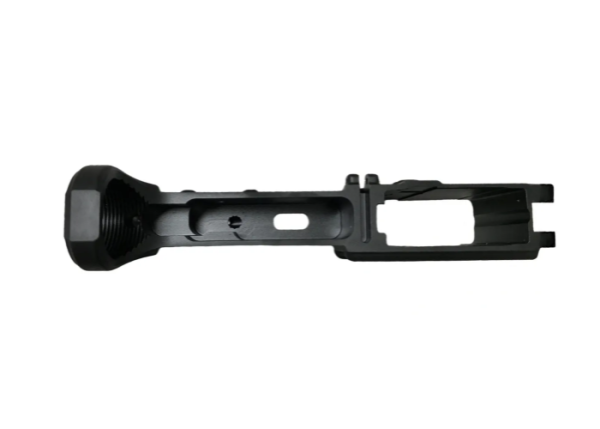

M16 Cut Lower Receiver
An M16 cut lower receiver is a term commonly used in the firearms community to describe a lower receiver that has the internal machining profile originally designed for military M16 fire-control components. Understanding what this means—and what it does not mean—is important for collectors, enthusiasts, and anyone researching AR-platform terminology.
What Is an M16 Cut Lower Receiver?
The phrase “M16 cut” refers to the internal geometry of a lower receiver. Specifically, it indicates that the rear shelf area inside the receiver is machined to accept M16-pattern fire-control components. This internal profile differs from a “low shelf” or “high shelf” AR-15 lower, which are intentionally designed to prevent compatibility with certain military parts.
Importantly, an M16 cut lower receiver does not automatically make a firearm capable of automatic fire. The fire mode of a firearm depends on the complete fire-control system installed and applicable legal classifications—not the receiver cut alone.
From an SEO and research perspective, one of the most searched comparisons is M16 cut vs AR-15 lower receiver. Here’s a high-level breakdown:
•M16 Cut Lower Receiver
•Internal shelf machined to military specifications
•Often discussed in historical, collector, or technical contexts
•Requires specific regulated components to function differently
•AR-15 Cut Lower Receiver
•Modified internal geometry to block military fire-control compatibility
•Designed for civilian sporting and recreational use
•Most commonly encountered configuration
Both types can look identical externally. The distinction is entirely internal.
Why the Term “M16 Cut” Matters
The term is frequently used in:
•Firearms history discussions
•Technical comparisons of AR-platform receivers
•Collector and manufacturing documentation
•Legal and compliance research
Because of this, “M16 cut lower receiver” has become a high-intent keyword in search engines, especially among users looking to understand compatibility, manufacturing differences, or regulatory language.
Legal and Compliance Considerations
Laws and regulations governing firearm components vary widely by country and jurisdiction. In many regions, receiver configuration alone does not determine legality, but certain combinations of parts may be regulated.
For this reason:
•Terminology should be understood factually, not functionally
•Legal definitions depend on how a firearm is classified under the law
•Always rely on official statutes and licensed professionals for compliance questions
This article is intended purely for educational and informational purposes, focusing on terminology rather than usage.
Manufacturing and Historical Context
Historically, original military M16 rifles were produced with this internal receiver profile to accommodate select-fire components used by armed forces. As civilian variants of the AR platform became widespread, manufacturers altered internal cuts to align with commercial regulations.
Today, the term “M16 cut” is often encountered in:
•Technical blueprints
•Receiver manufacturing descriptions
•Archival and historical firearm analysis
Be the first to review “M16 CUT LOWER RECEIVER”
Related products
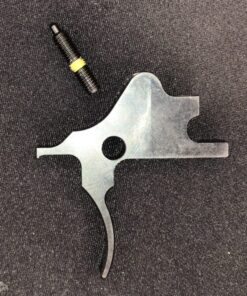
TRIGGER PARTS
$124.99
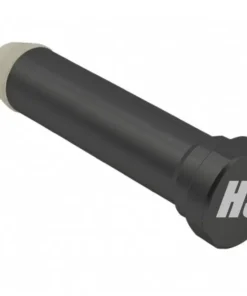
TRIGGER PARTS
$26.99
TRIGGER PARTS
$225.57
$40.00
TRIGGER PARTS
$155.89
TRIGGER PARTS
$185.76
TRIGGER PARTS
$230.00
TRIGGER PARTS
$195.00
Reviews
There are no reviews yet.