

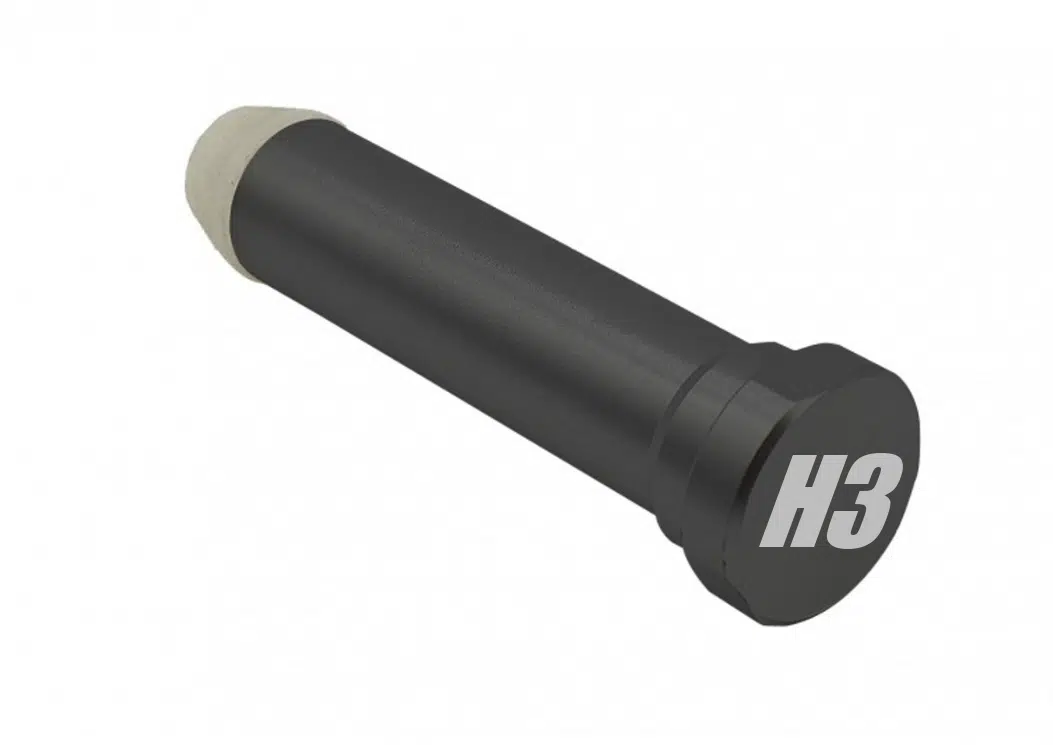
AR-15 H3 Carbine Buffer
The AR-15 H3 carbine buffer is a heavier buffer option designed for AR-15 platforms that use a carbine-length buffer system. By increasing overall buffer weight, the H3 buffer is commonly associated with smoother cycling, reduced bolt speed, and improved overall system balance in compatible AR-15 configurations.
What Is an H3 Carbine Buffer?
An H3 carbine buffer is part of the AR-15’s recoil system and is heavier than standard carbine buffers. While a typical carbine buffer contains fewer internal weights, the H3 buffer includes additional mass, making it one of the heaviest buffers used in carbine-length systems.
This added weight is designed to influence how the internal components move during operation, contributing to a more controlled cycling process.
Purpose of a Heavier Buffer
Heavier buffers like the H3 are often researched by users seeking:
•Reduced bolt carrier speed
•Improved cycling consistency
•Smoother recoil impulse
•Enhanced system longevity
By slowing down internal movement, an H3 buffer can help manage energy within compatible AR-15 setups, especially in systems that operate with higher gas pressure.
Compatibility and Design
The AR-15 H3 buffer is intended for use for carbine-length buffer tubes and is commonly associated with standard AR-15 platforms chambered in popular calibers such as 5.56 NATO. It is not designed for rifle-length buffer systems.
Manufacturers typically produce H3 buffers to mil-spec dimensions, allowing compatibility with a wide range of AR-15 lower receivers that use carbine buffer assemblies.
Materials and Construction
Most H3 carbine buffers are constructed from hardened aluminum or steel bodies and contain multiple internal weights. These materials are selected for durability and consistent performance over time. High-quality buffers are manufactured to precise tolerances to support reliable movement within the buffer tube.
Why the AR-15 H3 Buffer Is Popular
The H3 carbine buffer is frequently discussed and searched due to:
•Its heavier weight compared to standard buffers
•Its role in system balance and cycling control
•Compatibility with carbine-length AR-15 platforms
•Availability from multiple trusted manufacturers
Because of these characteristics, it is often compared with H, H2, and standard carbine buffers in AR-15 component research.
Maintenance and Durability
Like other internal AR-15 components, buffers benefit from routine inspection. H3 buffers are designed for long-term durability and typically require minimal maintenance when used within compatible systems.
Be the first to review “AR 15 H3 CARBINE BUFFER”
Related products
TRIGGER PARTS
$124.99
$40.00
TRIGGER PARTS
$225.57
TRIGGER PARTS
$125.00
TRIGGER PARTS
$155.89
$123.99
TRIGGER PARTS
$94.99
TRIGGER PARTS
$230.00
Reviews
There are no reviews yet.